

-
 1st month at €15
Acne supplement, Pure Glow
Diminish imperfections and purify the skinRegular price From 15,00€Regular priceUnit price per -
 1st month at €15
Hormonal supplement, Balance & Glow
Diminish imperfections and purify the skinRegular price From 15,00€Regular priceUnit price per -

New
The Advent Calendar
-
 -20% · SETS & ROUTINES
The double cleansing ritual
Cleanses, removes make-up and hydrates the skinRegular price 49,00€Regular priceUnit price per61,00€Sale price 49,00€ -
 -20% · SETS & ROUTINES
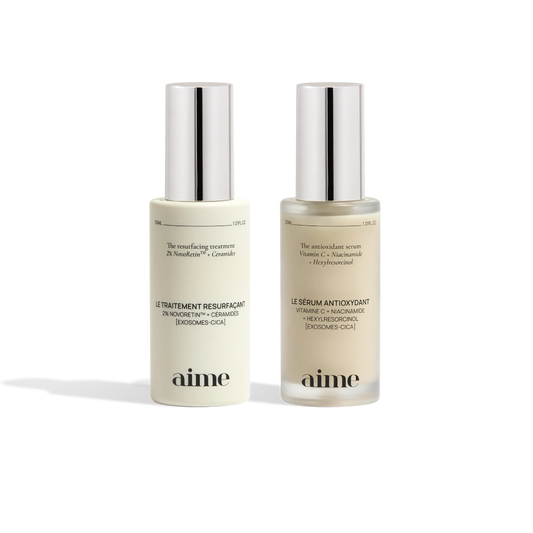
The Serum Duo
Protects against oxidative stress, boosts cellular regenerationRegular price 72,00€Regular priceUnit price per90,00€Sale price 72,00€ -

Your first month for €15
The first month of subscription to the formula of your choice is from €15*
-
 NEW
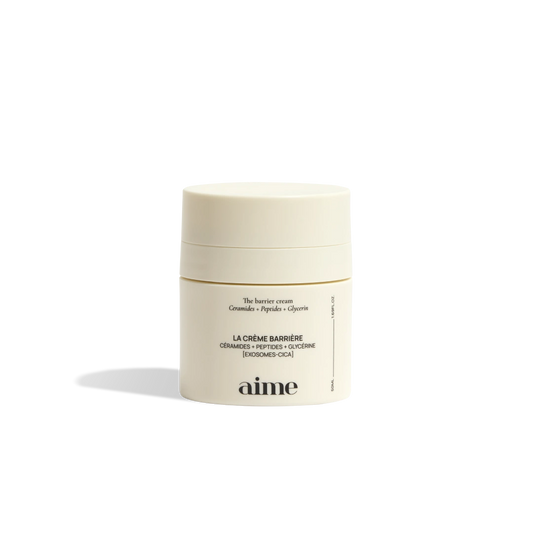
The barrier cream
Hydrates, strengthens the skin barrierRegular price 39,00€Regular priceUnit price per -
 -20% · SETS & ROUTINES
Le vestiaire de peau™
The skincare routineRegular price 183,00€Regular priceUnit price per229,00€Sale price 183,00€ -
 NEW
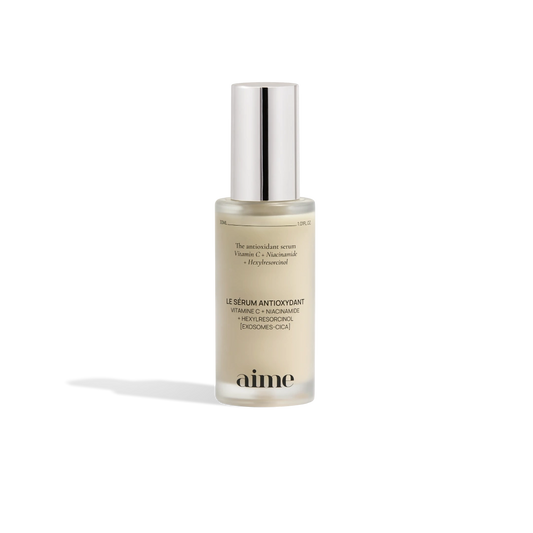
The antioxidant serum
Protects against oxidative stress, brightens and evens the complexionRegular price 45,00€Regular priceUnit price per -
 NEW
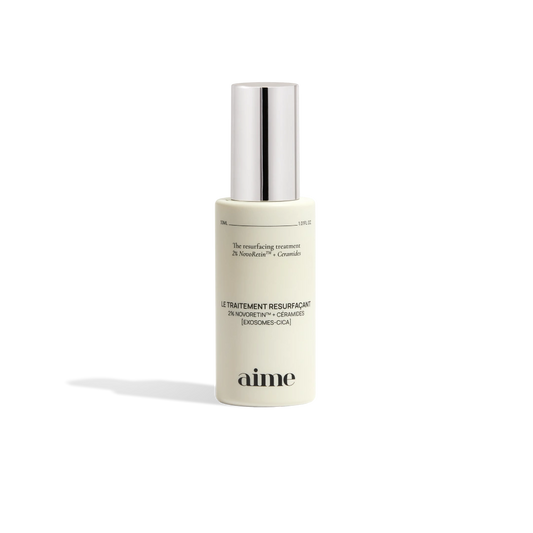
The resurfacing treatment
Smooths and refines skin texture, boosts cell renewalRegular price 45,00€Regular priceUnit price per -
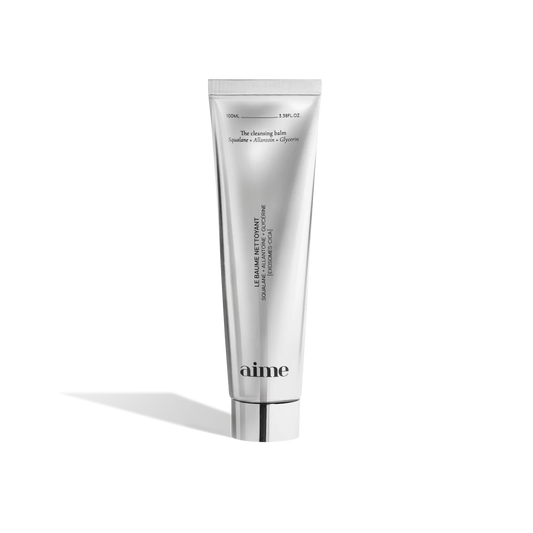 NEW
The cleansing balm
Cleanses, removes makeup, soothesRegular price 32,00€Regular priceUnit price per -
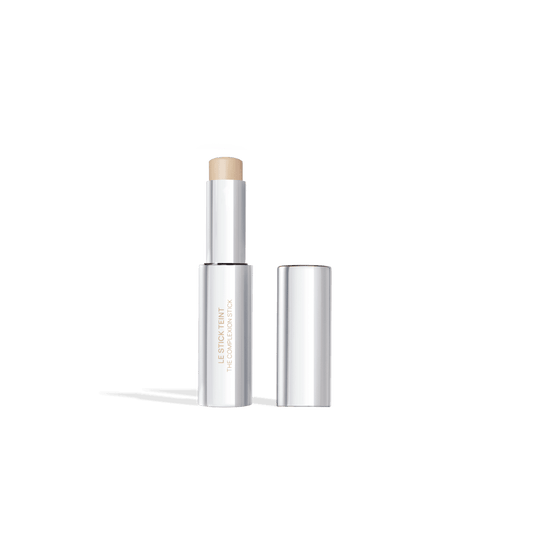 1 + 1 = -15%
The Complexion stick
Conceals dark circles, redness and imperfectionsRegular price 35,00€Regular priceUnit price per -
 1 + 1 = -15%
Skincare Powder Foundation SPF
Unify, hydrate, protectRegular price 42,00€Regular priceUnit price per -
 1 + 1 = -15%
Skincare Powder Foundation SPF Refill
Unify, hydrate, protectRegular price 35,00€Regular priceUnit price per -
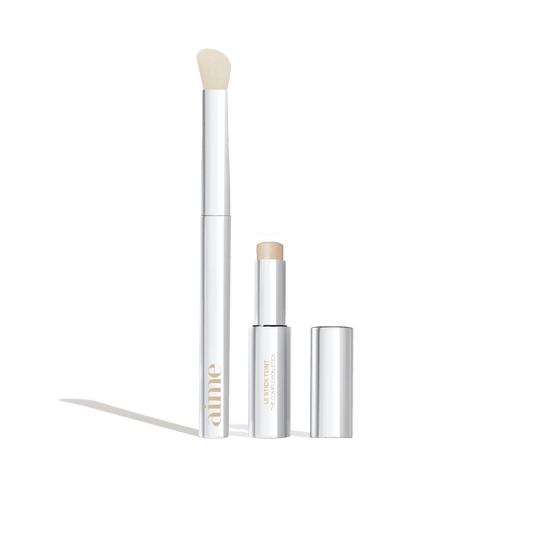 -20% · SETS & ROUTINES
The complexion stick & brush Duo
Conceals dark circles, redness and imperfectionsRegular price 50,00€Regular priceUnit price per63,00€Sale price 50,00€


Frequently asked questions
Which foods should you avoid or prioritise if you have acne-prone skin?
Diet can influence the balance of blemish-prone skin. Certain foods are worth limiting, particularly when consumed in excess: refined sugars and foods with a high glycaemic index can cause spikes in blood sugar and insulin levels, which may promote sebum production and certain inflammatory processes.
Cow’s milk and, more broadly, certain dairy products may also be associated with worsening blemishes in some people. Similarly, some people notice an improvement in their skin when limiting gluten. It may therefore be worth reducing or temporarily eliminating these foods to observe their individual impact, without considering them absolute dietary restrictions.
Instead, prioritise a varied diet rich in foods that provide zinc, omega-3 fatty acids and vitamins A and E, which contribute to maintaining normal skin and protecting cells against oxidative stress.
How can you recognise hormonal acne?
Hormonal acne generally has certain characteristics that can help identify it. Blemishes often appear on the lower part of the face, particularly along the jawline, chin and lower cheeks, and sometimes on the neck. This is known as the U-zone of the face.
Lesions can be inflammatory, deep and painful, and sometimes more persistent than simple blackheads or comedones. Another common characteristic is that breakouts may follow a cyclical pattern and become more pronounced in the days leading up to menstruation.
Certain periods of hormonal fluctuations can also contribute to the onset or worsening of breakouts, particularly after stopping the contraceptive pill or in cases of polycystic ovary syndrome (PCOS). Chronic stress may also play a role by influencing cortisol production and hormonal balance.
However, these signs alone are not sufficient to establish a diagnosis of hormonal acne. If breakouts are persistent or severe, seeking medical advice is recommended.
What are the best nutrients for clearer skin?
Certain nutrients are particularly beneficial when it comes to caring for blemish-prone skin. They can be obtained through the diet and, when appropriate, through targeted supplementation.
- Zinc: it contributes to the maintenance of normal skin and helps protect cells against oxidative stress. It is also being studied for its role in regulating sebum production and inflammatory processes in the skin.
- Probiotics: they help maintain a balanced gut microbiome and are being studied for their role in the gut-skin axis, particularly in relation to skin balance.
- Turmeric and artichoke: these plant-based ingredients are traditionally used in nutritional supplementation, and their compounds are being researched for their antioxidant properties.
- Chasteberry and evening primrose oil: they are being studied in particular for their role in female hormonal balance and may be incorporated into a routine for women whose blemishes appear to be linked to hormonal fluctuations throughout the menstrual cycle.
The benefits of supplementation depend on individual needs. Supplements should complement a varied diet and a suitable skincare routine, rather than replace them.
How can you maximise the benefits of a course of dietary supplements for acne?
A course of dietary supplements is part of a holistic approach: a balanced diet, restful sleep and a skincare routine suited to your skin type are essential to support skin quality.
Consistency is also key. For blemish-prone skin, it may be necessary to take supplements for several months and, depending on the formula, over several menstrual cycles to optimise their effects.
It is also important to follow the recommended dosage. Taking several supplements containing zinc at the same time or increasing the dose without professional advice is not recommended, particularly over an extended period, to avoid adverse effects and nutritional imbalances.
What skincare routine should you follow for acne-prone skin?
The routine you choose depends primarily on the type of blemishes and the context in which they appear.
For persistent blemishes, Pure Glow combines zinc, turmeric, artichoke and probiotics. This formula is part of a holistic approach designed for blemish-prone skin.
When breakouts seem particularly linked to menstrual cycle fluctuations, Balance & Glow combines chasteberry, evening primrose oil and reishi to support female hormonal balance.
If blemishes have left pigmentation spots or marks, Clear Glow® may be considered as a dietary supplement to specifically target the appearance of the complexion and post-blemish marks, thanks in particular to vitamin C, grape and liquorice.
For skincare, choose a gentle routine that does not strip or dry out the skin. Aime’s double cleansing, with Le baume nettoyant followed by La gelée micellaire, removes makeup and cleanses the skin while respecting its balance. Proper hydration is also essential, including for oily or blemish-prone skin.
Why does skin health start in the gut?
The gut and the skin are in constant communication through the immune system, hormones and various molecules produced by the microbiome. This is known as the gut-skin axis. This ecosystem plays a role in regulating inflammation, which is also involved in the mechanisms behind acne.
The gut microbiome contributes to digestion and the production of certain molecules involved in the body's functioning. When it is imbalanced, research suggests that it may influence the inflammatory response and, indirectly, certain aspects of skin health. This is one reason why the microbiome is increasingly being studied in relation to skin concerns, including acne.
This does not mean that acne necessarily results from an imbalance in the gut: acne is multifactorial and involves hormones, sebaceous glands, sebum production and skin inflammation.
Probiotics are one of the approaches being studied to support this balance. Certain strains may help maintain a balanced microbiome and are being researched for their interactions with the skin. At Aime, this approach is reflected in the inclusion of probiotics in several dietary supplement formulas, alongside a varied diet and a suitable skincare routine.