

-

Digestion and anti-bloat supplement, Gut Flow™
Promotes digestion, reduces bloating, improves transitRegular price 35,00€Regular priceUnit price per -

Intestinal Permeability Supplement, Barrier+™
Strengthens the intestinal barrier, promotes nutrient absorptionRegular price 19,00€Regular priceUnit price per19,00€Sale price 19,00€ -

New
The Advent Calendar
-
 -20% · SETS & ROUTINES
Trio Intestinal Permeability Supplements, Barrier+™
Strengthens the intestinal barrier, promotes nutrient absorptionRegular price 46,00€Regular priceUnit price per57,00€Sale price 46,00€ -
 -20% · SETS & ROUTINES
Trio Digestion and anti-bloat supplement Gut Flow™
Promotes digestion, reduces bloating, improves transitRegular price 84,00€Regular priceUnit price per105,00€Sale price 84,00€ -

Your first month for €15
The first month of subscription to the formula of your choice is from €15*
-
 LES ARCHIVES
Drainage and detox supplement, Body Elixir
Drains and detoxifiesRegular price From 19,00€Regular priceUnit price per38,00€Sale price From 19,00€ -
 LES ARCHIVES
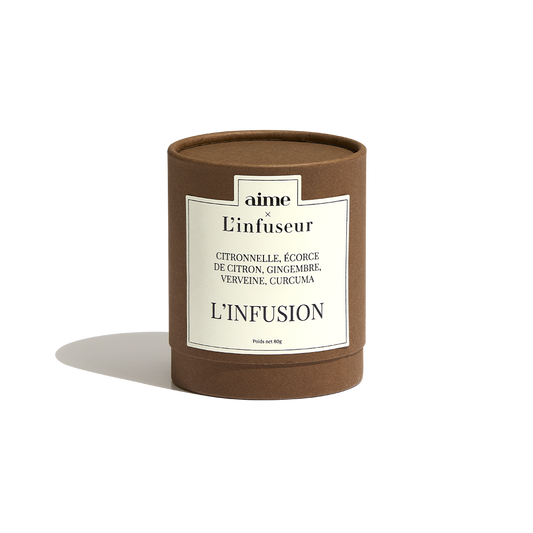
L’Infusion Aime x L’infuseur Paris
Lemongrass, lemon peel, turmeric, ginger, verbenaRegular price 10,00€Regular priceUnit price per19,50€Sale price 10,00€ -
 NEW
NEWCollagen tripeptides mocha
Improves skin elasticity and supports joint comfortRegular price From 44,00€Regular priceUnit price per


Frequently asked questions
Why is our digestive system so often put under strain?
Our digestive system is challenged every day by our modern lifestyle. Chronic stress, rushed meals and an unbalanced diet or one rich in ultra-processed foods can put digestive comfort under strain. Stress can in particular influence the functioning of the digestive system and contribute to the occurrence of certain digestive issues.
The pace of our meals also plays a role. Taking less than 20 minutes to eat and chewing too quickly can make digestion more difficult. Conversely, taking the time to eat and chew thoroughly helps prepare food more effectively for digestion.
Diet is another essential factor. In France, average fibre intake is estimated at around 17 g per day, which is close to half of the 30 g recommended daily intake for adults. Fibre contributes in particular to healthy bowel function and nourishes certain bacteria in the gut microbiome.
Finally, bloating and feelings of heaviness can have different causes: diet, intestinal fermentation, disrupted bowel transit, or the functioning of digestive enzymes and the intestinal barrier. There is therefore no single explanation for digestive issues, nor a single solution.
Which active ingredients are best for supporting the digestive system?
There is no single active ingredient that can address all digestive needs. Food supplements can combine different families of active ingredients depending on their purpose.
Digestive enzymes naturally contribute to the breakdown of proteins, carbohydrates and fats found in food. They may therefore be particularly interesting when looking for greater comfort after a heavy meal.
Plants are also traditionally used to support digestion. Ginger, peppermint and artichoke are particularly valued for their digestive properties. Activated charcoal is commonly used to help maintain comfort in cases of intestinal gas.
L-Glutamine is an amino acid that is essential for strengthening the intestinal barrier and supporting nutrient absorption, particularly when the intestinal barrier is weakened.
Finally, probiotics and prebiotics act on the intestinal ecosystem. Probiotics provide live microorganisms belonging to different strains, while prebiotics, such as certain fructo-oligosaccharides (FOS), serve as a substrate for certain bacteria in the microbiome.
Why combine plants and digestive enzymes?
Digestion relies on several complementary mechanisms. This is why a formula combining digestive enzymes and plants may be useful for supporting different aspects of digestive comfort.
With its 7 digestive enzymes, ginger and peppermint, Gut Flow™ was designed to support digestion, particularly before or during a particularly heavy meal. Enzymes contribute to the breakdown of nutrients, while plants are traditionally recognised for their digestive properties.
This approach can be complemented by more long-term support for the intestinal barrier. Concentrated in L-glutamine, Barrier+™ is the first step to consider before starting a course of food supplements. It helps restore, strengthen and preserve the intestinal barrier.
The idea is not to oppose different approaches, but to build a digestion-friendly routine adapted to your needs: occasional digestive support, maintaining gut flora balance or supporting intestinal comfort over the long term.
Is there a link between gut health and skin beauty?
The gut and skin constantly communicate through numerous biological mechanisms: this is known as the gut-skin axis. The gut microbiome, immune system and inflammatory mechanisms all contribute to this complex relationship.
This does not mean that every skin concern originates from digestion, nor that a food supplement alone can treat an imperfection. However, taking care of your diet, microbiome and digestive comfort can be part of a holistic approach to skin health.
At Aime, we approach beauty and well-being from an in & out perspective: skincare applied to the skin is part of a broader routine that also takes diet, lifestyle and inner balance into account.
To complement this approach, simple habits such as regular physical activity, good hydration and draining massages can also have their place in your well-being routine.
How can you incorporate food supplements to support digestion?
A food supplement does not replace the fundamentals of a balanced diet. Taking the time to eat, chewing thoroughly and drinking enough water, while prioritising a varied, fibre-rich diet, are the first habits to adopt.
When to take a supplement then depends on its formula and active ingredients. Digestive enzymes are generally taken just before or during a meal, so that they are present when food enters the digestive system. For Gut Flow™, we therefore recommend taking it before or during a heavy meal.
Probiotics and other supplements designed to support microbiome balance have different directions for use. Aime probiotics are generally taken in the morning on an empty stomach, with a large glass of water, to optimise their effectiveness. For other supplements, such as amino acids like L-Glutamine, it is preferable to take them away from meals.
Finally, a supplement routine requires consistency. How long you use a supplement depends on your goal and the formula: occasional use may support digestion after a particularly rich meal, while a routine aimed at the microbiome or intestinal comfort is more suited to long-term use.